
1. Create a baseline
The child chooses their year group and subjects, then completes a short, low-pressure diagnostic assessment.
A short diagnostic creates the starting point. Daily lessons then teach, guide and adapt from the child's latest learning evidence.
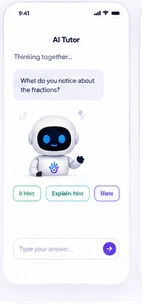
The child chooses their year group and subjects, then completes a short, low-pressure diagnostic assessment.
The lesson combines a warm-up, a mini-lesson, guided practice and a short reflection.
Every response adds evidence about accuracy, speed, confidence, mastery and topic recency.
The platform protects strong topics, revisits weak topics and keeps work aligned to the child's current curriculum.
Parents and educators see progress, needs and recommended actions in plain English.
The pathway improves as ClassHands gathers more reliable evidence about how the child learns.
ClassHands should help a child think through the problem and understand the next step before an answer is shown.
Was the response correct, partly correct or based on a recurring misconception?
Did the child answer fluently or need much longer than expected for the topic?
Did the child feel secure, uncertain or stuck while answering?
How much reliable evidence exists that the learning objective is secure?
When was the topic last practised and when should it be revisited?
Does the child need more teaching, guided practice, revision or a new challenge?
Daily learning. Real progress.
ClassHands turns a few focused minutes each day into a learning pathway that becomes more personal over time.